Asset Protection Tactics That Actually Work in 2026: A Plain-English Guide
Learn proven asset protection tactics for 2026. From domestic trusts to business structures, discover strategies that shield wealth from lawsuits and creditors.

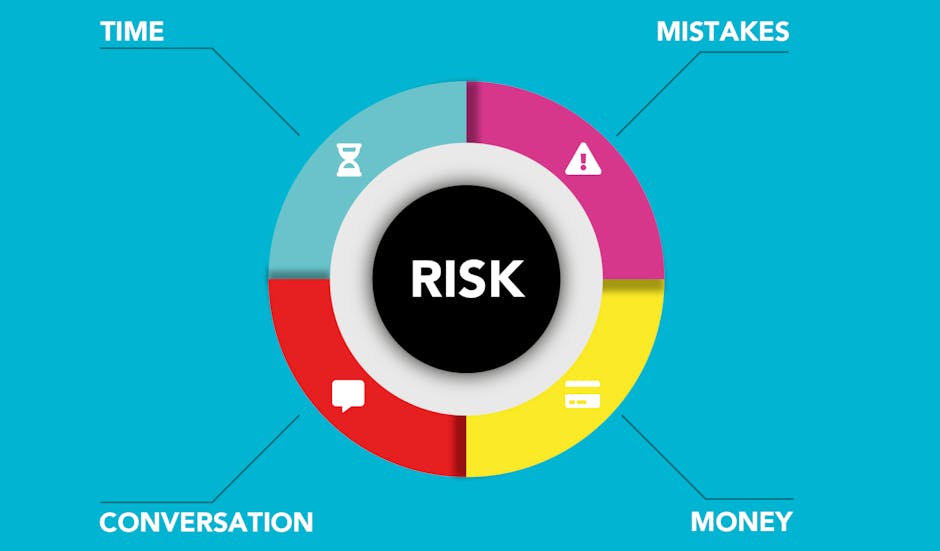
In 2026, protecting your assets from lawsuits, creditors, and unexpected financial threats requires more than just good insurance. Whether you're a business owner facing litigation risks, a professional with malpractice exposure, or a family wanting to shield wealth for future generations, strategic asset protection has become essential financial planning. But with complex legal structures and constantly evolving regulations, how do you choose the right tactics without falling into expensive traps or compliance nightmares? This guide breaks down proven asset protection strategies in plain English, helping you understand which approaches work best for different situations and how to implement them effectively with professional guidance.
Understanding Modern Asset Protection: What Works in 2026
The asset protection landscape has shifted dramatically in recent years. Courts have become more sophisticated at piercing weak protection schemes, while legitimate strategies have grown more robust. Understanding the difference between legal and illegal tactics isn't just important—it's the foundation of any successful protection plan.
Legal asset protection involves moving assets into structures that lawfully shield them from future creditors while maintaining reasonable access and control. Illegal asset protection typically involves fraud, hiding assets, or transferring wealth to evade existing creditor claims. The timing of your moves matters enormously: implementing protection strategies when you're solvent and have no known creditor threats gives you the strongest legal standing.
Recent Changes Affecting Traditional Strategies
The legal environment continues to evolve. Recent court decisions have strengthened domestic asset protection trusts in certain states while challenging weak offshore structures. The Corporate Transparency Act, fully implemented in 2025, now requires beneficial ownership reporting for many LLCs and corporations, affecting privacy strategies that worked just two years ago.
Meanwhile, states like Nevada, Delaware, and South Dakota have enhanced their domestic asset protection trust statutes, offering creditor protection periods as short as two years for self-settled trusts. This makes domestic options increasingly competitive with offshore alternatives.
Domestic vs. Offshore: The Reality Check
Domestic asset protection strategies offer several advantages: lower costs, easier compliance, and familiarity with U.S. legal systems. However, they're subject to U.S. court orders and federal oversight. Offshore structures can provide stronger creditor protection but come with significant compliance burdens, higher costs, and potential tax complications.
For most families and small business owners, domestic strategies provide the right balance of protection, cost, and complexity. Offshore planning typically makes sense only for high-net-worth individuals facing substantial liability risks or those with legitimate international business needs.
Identifying Your Specific Risks
Before choosing any asset protection tactics, honestly assess your risk profile. High-risk professionals like surgeons, attorneys, and architects face different threats than real estate investors or tech entrepreneurs. Family wealth protection requires different strategies than business asset protection. Your risk assessment should consider:
- Professional liability exposure
- Business operation risks
- Family dynamics and beneficiary concerns
- Tax implications of protection strategies
- Geographic factors and state law variations
Domestic Asset Protection Strategies That Actually Work
Domestic protection starts with maximizing existing legal exemptions and building on proven structures that courts consistently respect.
Homestead Exemptions and Primary Residence Protection
Your primary residence often represents your largest asset, making homestead protection crucial. States vary dramatically in their homestead exemption amounts—from unlimited protection in Florida and Texas to minimal protection in states like Pennsylvania. However, simply moving to a high-protection state isn't always practical or effective, especially with the two-year waiting periods many states impose.
More practical homestead tactics include:
- Maximizing mortgage debt on your primary residence to reduce equity exposure
- Tenancy by entirety ownership in states that recognize it, providing protection from individual spouse creditors
- Homestead declaration filings where required to claim your exemption
- Strategic residence selection when relocating for other reasons
Consider a small business owner in Ohio (with a modest $25,575 homestead exemption) who purchases a home with significant mortgage debt rather than buying outright with business proceeds. The mortgage debt effectively shields the home's value while providing tax deductions and maintaining liquidity for business operations.
Business Entity Structures: Your First Line of Defense
Properly structured business entities create liability barriers between your business activities and personal assets. But not all entity structures provide equal protection, and implementation details matter enormously.
Limited Liability Companies (LLCs) offer the most flexible protection for most small businesses. A single-member LLC provides liability protection while maintaining tax simplicity. Multi-member LLCs add "charging order protection"—creditors can only receive distributions, not force liquidation or control transfer.
Corporations provide strong liability shields but require more formal operation. S-corporations offer tax benefits for service businesses while maintaining protection. C-corporations provide the strongest liability protection but create double taxation for most small businesses.
The key is matching your entity choice to your specific business risks and tax situation. A consulting firm might choose an S-corporation to minimize self-employment taxes, while a real estate investor might prefer LLCs for their operational flexibility and charging order protection.
Domestic Asset Protection Trusts: Powerful but Specific
Domestic Asset Protection Trusts (DAPTs) allow you to be both the settlor and a potential beneficiary while protecting assets from your creditors. As of 2026, nineteen states permit DAPTs, each with different rules and protection levels.
Nevada DAPTs offer some of the strongest protections: a two-year statute of limitations for creditor claims, no requirement that you use a Nevada trustee, and protection from most types of creditor claims. Delaware provides similar benefits with a four-year statute of limitations but requires a Delaware trustee.
DAPTs work best for liquid assets like investment accounts, business interests, and intellectual property. They're less practical for primary residences or actively managed business operations. Implementation requires careful timing—establishing the trust and funding it before creditor claims arise.
Maximizing Retirement Account Protections
Retirement accounts enjoy strong federal and state protections, making them excellent asset protection vehicles. 401(k) plans receive unlimited federal protection from creditors in bankruptcy. Traditional and Roth IRAs protect up to $1,512,350 per person (2026 limit) in federal bankruptcy, with many states providing unlimited protection in state court proceedings.
Strategic retirement account planning includes:
- Maximizing annual contributions to employer-sponsored plans
- Converting traditional IRAs to Roth IRAs in low-income years
- Avoiding early withdrawals that reduce protected balances
- Choosing IRA providers in states with strong non-bankruptcy protections
Trust-Based Protection: Your Most Powerful Tool
Trusts represent the most sophisticated and flexible asset protection tools available. Unlike business entities or exemptions, trusts can provide protection while maintaining family access to wealth across generations.
Irrevocable Life Insurance Trusts: Double Protection
Irrevocable Life Insurance Trusts (ILITs) remove life insurance from your taxable estate while protecting death benefits from beneficiaries' creditors. The trust owns the life insurance policy, pays premiums from your annual gifts, and distributes proceeds according to your instructions.
Modern ILITs often include "hanging powers" that maximize your annual gift tax exclusions and discretionary distribution provisions that protect beneficiaries from creditors, divorce, and poor financial decisions. For business owners, ILITs can provide liquidity for estate taxes while keeping the business in family hands.
Discretionary Trusts and Spendthrift Provisions
Discretionary trusts give trustees complete control over distributions, making it nearly impossible for creditors to access trust assets. Spendthrift provisions explicitly prohibit beneficiaries from assigning their interests and prevent creditors from garnishing distributions before they're made.
Consider a family establishing a discretionary spendthrift trust for their adult child who works in a high-liability profession. The trust holds the child's inheritance from grandparents, making monthly distributions for living expenses while protecting the principal from potential malpractice claims. Even if the child faces a million-dollar judgment, creditors cannot access trust assets or force distributions.
Generation-Skipping Trusts: Perpetual Protection
Generation-skipping trusts (GSTs) protect wealth across multiple generations while minimizing estate taxes. These trusts can last for hundreds of years in states with favorable perpetuity rules, providing ongoing creditor protection for all beneficiaries.
GSTs work particularly well for family businesses, real estate, and investment portfolios expected to appreciate significantly. The trust can own business interests, distributing income to family members while keeping ownership within the trust structure. This prevents creditor claims against individual family members from affecting the core family assets.
When Revocable Trusts Offer Protection Benefits
Revocable trusts provide limited asset protection during your lifetime—you retain too much control for creditor protection. However, they offer valuable protection benefits in specific situations:
- Privacy protection by avoiding probate and public estate records
- Incapacity protection through successor trustee provisions
- Post-death protection for beneficiaries through ongoing trust administration
- Professional management protection through institutional trustees
After your death, revocable trust assets can continue in protective sub-trusts for beneficiaries, providing the same creditor protection as other irrevocable trusts.
Advanced Tactics for High-Risk Professionals and Business Owners
High-liability professions and substantial business operations require more sophisticated asset protection approaches that integrate multiple strategies and planning techniques.
Professional Liability-Specific Strategies
Medical professionals, attorneys, architects, and other high-risk professions need comprehensive protection that goes beyond basic malpractice insurance. Effective professional liability protection typically combines:
Layered insurance coverage including primary malpractice insurance, excess coverage, and personal umbrella policies. Many professionals underestimate their true exposure—a surgeon should consider $10-20 million in total coverage, not just the minimum required by hospitals or licensing boards.
Practice structure optimization using professional LLCs or corporations in states that permit them. These entities can't protect against your own malpractice but shield personal assets from partnership liability and general business claims.
Asset segregation strategies that keep wealth in protected structures separate from practice assets. A surgeon might establish a DAPT for investment assets while keeping practice ownership in a professional corporation, ensuring malpractice claims can't reach retirement savings and family wealth.
Business Succession with Built-In Protection
Business succession planning offers unique opportunities to build asset protection into ownership transitions. Well-designed succession plans can protect both senior and junior generations from each other's creditors while facilitating smooth ownership transfer.
Grantor Retained Annuity Trusts (GRATs) allow business owners to transfer future appreciation to family members while retaining an income stream. The retained annuity payments come from trust assets, not the business owner's other wealth, providing some protection for the income stream.
Sales to Intentionally Defective Grantor Trusts (IDGTs) create installment note payments from family trusts while removing business appreciation from the seller's estate. The trust structure protects transferred assets from the seller's creditors while providing ongoing income.
International Structures: When They Make Sense
Offshore asset protection trusts and international entities can provide stronger creditor protection than domestic alternatives, but they come with significant compliance burdens and costs that make them practical only for substantial wealth or extreme risk situations.
Cook Islands trusts remain the gold standard for offshore asset protection, with strong privacy laws and creditor-hostile legal systems. However, establishment costs typically start at $50,000, with annual maintenance costs of $15,000 or more.
Nevis LLCs offer charging order protection with international enforcement challenges for creditors. They're less expensive than offshore trusts but still require careful compliance with U.S. tax reporting requirements.
For most families and businesses, domestic strategies provide better cost-benefit profiles. Offshore planning makes sense primarily for those with $5+ million in liquid assets facing substantial lawsuit risks or those with legitimate international business operations.
Insurance Integration: Filling the Gaps
Insurance remains the most cost-effective form of asset protection for most risks, but coverage gaps can leave significant exposure. Effective insurance integration requires understanding what your policies cover and don't cover.
Personal umbrella insurance provides broad liability coverage over your auto and homeowner's policies. With $5 million in coverage typically costing $500-800 annually, umbrella insurance offers exceptional value for most families.
Directors and officers insurance protects business leaders from personal liability for corporate decisions. Even small businesses should consider D&O coverage, especially if they have outside investors or significant contracts.
Employment practices liability insurance covers discrimination, harassment, and wrongful termination claims. These claims can bypass traditional business liability protections and create personal exposure for owners and managers.
Implementation Roadmap: Building Your Protection Plan
Effective asset protection requires careful sequencing and professional coordination. The right implementation timeline depends on your specific situation, but certain principles apply across all scenarios.
Step-by-Step Timeline
Immediate steps (0-30 days):
- Complete comprehensive risk assessment
- Review existing insurance coverage and identify gaps
- Organize asset inventory and ownership documentation
- Interview and select qualified legal counsel
Short-term implementation (1-6 months):
- Establish business entities and update ownership structures
- Implement basic trust structures for family wealth
- Maximize contributions to protected retirement accounts
- Update insurance coverage and policy structures
Medium-term strategies (6-24 months):
- Fund and implement domestic asset protection trusts
- Complete business succession planning structures
- Establish international structures if appropriate
- Integrate tax planning with protection strategies
Ongoing maintenance:
- Annual trust and entity compliance requirements
- Regular insurance coverage reviews and updates
- Asset protection plan reviews as circumstances change
- Coordination with estate and tax planning updates
Working with Professionals Effectively
Asset protection requires coordination between multiple professionals with different specialties. Your team typically includes an asset protection attorney, tax advisor, insurance professional, and potentially a trust officer or financial advisor.
Choose professionals with specific asset protection experience—general practitioners often lack the specialized knowledge needed for complex strategies. Ask potential attorneys about their asset protection caseload, recent court experience, and continuing education in the field.
Effective professional relationships require clear communication about your goals, risk tolerance, and family dynamics. Be honest about your financial situation and potential creditor threats—incomplete information leads to inadequate protection strategies.
Ongoing Maintenance and Compliance
Asset protection isn't a "set it and forget it" strategy. Trusts require ongoing administration, business entities need annual filings, and insurance policies need regular updates. Neglecting maintenance requirements can invalidate your protection when you need it most.
Annual requirements typically include:
- Trust tax returns and accounting
- Entity annual reports and tax filings
- Insurance policy reviews and updates
- Beneficiary and successor appointment reviews
Periodic updates might include:
- Trust and entity document amendments
- Asset retitling and ownership updates
- Protection strategy adjustments for changing circumstances
- Integration with estate and tax planning changes
Red Flags and Common Mistakes
Several common mistakes can invalidate otherwise sound asset protection strategies. Understanding these pitfalls helps you avoid expensive failures when protection matters most.
Fraudulent transfer timing: Implementing protection strategies after creditor claims arise or when insolvency threatens creates fraudulent transfer liability. Courts can reverse transfers made with intent to hinder creditors, leaving you worse off than before.
Excessive control retention: Keeping too much control over protected assets gives creditors arguments for reaching those assets. Self-settled spendthrift trusts work because you give up meaningful control—maintaining check-signing authority or investment discretion can defeat the protection.
Inadequate funding: Creating protective structures without actually transferring assets provides no protection. Surprisingly often, families establish trusts but never retitle assets, or business owners create LLCs but continue operating as sole proprietors.
Compliance failures: Failing to follow entity formalities, missing trust tax filings, or ignoring international reporting requirements can invalidate protection strategies. Courts are more likely to pierce structures that aren't properly maintained.
Asset protection in 2026 requires balancing legitimate protection goals with legal compliance and practical considerations. The most sophisticated offshore trust provides no value if it's structured incorrectly or maintained improperly. Similarly, basic strategies like proper business entities and adequate insurance can provide substantial protection when implemented thoughtfully and maintained consistently.
The key is matching your protection strategies to your specific risks, implementing them with qualified professionals, and maintaining them properly over time. With careful planning and professional guidance, effective asset protection can provide peace of mind and financial security for you and your family across generations.