The Duties of a Trustee in the Church: What the Board Role Really Means
Learn the real duties of a trustee in the church: property, finances, and duties to beneficiaries, plus a trustee duties checklist to avoid personal liability.

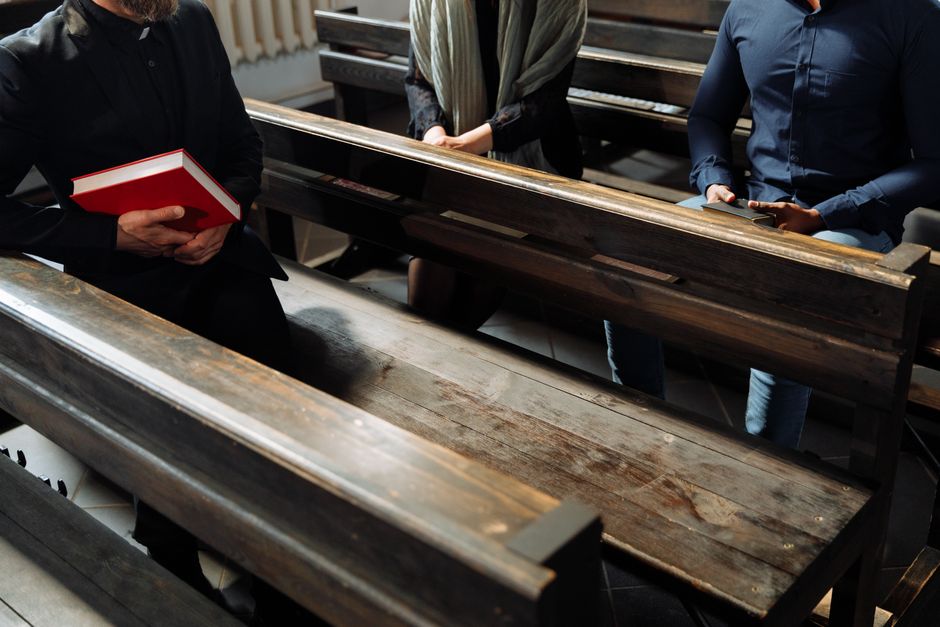
A church trustee isn't just a name on a board roster. It's a legal role with real duties, real liability, and real consequences if the offering plate money or the building fund gets mishandled. If you just got elected, appointed, or voted onto your church's board of trustees, here's what you actually signed up for.
Key Takeaways
- Church trustees hold legal title to property and must protect it, not just attend meetings.
- Trustee duties to beneficiaries mean putting the congregation's interests ahead of personal or pastoral pressure.
- A written trustee duties checklist prevents the most common failure: nobody knowing who's responsible for what.
- Financial oversight isn't optional. Trustees can face personal liability for negligent handling of church funds.
- Church bylaws, not just state trust law, usually define exactly what a trustee can and cannot decide alone.
What Does a Church Trustee Actually Do?
A church trustee typically holds or oversees legal title to the church's property, approves major contracts, and makes sure insurance and financial safeguards are actually in place. It's a fiduciary role, not an honorary one. Trustees handle the legal and financial backbone so the ministry side of the church can function without getting tangled in liability.
That distinction matters more than most new trustees realize. You're not there to weigh in on the sermon schedule or the worship set list. You're there because someone has to be legally accountable for the building, the land, the equipment, and the money that keeps the lights on.
In practice, that means:
- Reviewing and approving major contracts before they're signed, not after.
- Overseeing insurance coverage on property and liability exposure.
- Signing off on property transactions like purchases, sales, or refinancing.
- Making sure legal filings and corporate paperwork stay current.
Most denominations draw a clear line here: trustees don't run day-to-day ministry. They protect the structure that lets ministry happen. If you find yourself drifting into pastoral decisions as a trustee, that's usually a sign your board has blurred lines it shouldn't have.
How Are Trustee Duties Different From Deacon or Elder Duties?
Trustees handle the legal and property side of church life. Deacons and elders handle spiritual leadership and pastoral care. They're different jobs that sometimes sit on the same board, and confusing them is one of the fastest ways to create conflict in a congregation.
Deacons and elders typically focus on:
- Spiritual guidance and pastoral care for members.
- Congregational decisions tied to worship, discipline, and membership.
- Day-to-day ministry direction.
Trustees typically focus on:
- Contracts, buildings, and property.
- Insurance and financial stewardship.
- Legal compliance for the church as an organization.
Some churches combine these roles into one governing board. Others keep them strictly separate, with trustees handling only the legal and financial lane. Neither approach is automatically right.
What matters is that your church's bylaws spell it out clearly, and that everyone on the board actually knows which hat they're wearing when a decision comes up. Skip this step and you'll eventually get a trustee weighing in on a doctrinal dispute, or an elder signing a lease they had no authority to sign.
What Are a Trustee's Duties to Beneficiaries in a Church Setting?
A church trustee's duties to beneficiaries mean acting in the interest of the congregation (and sometimes the wider denomination) rather than any individual, including the trustee. That means loyalty, care, and impartiality, applied every time money moves or a decision gets made.
Here's what those duties look like in practice.
Duty of loyalty. No steering contracts to a friend or relative. No using church resources for personal benefit. No quiet self-dealing. If a landscaping bid comes from a board member's brother-in-law, that relationship needs to be disclosed to the full board before any vote, not discovered afterward.
Duty of care. Read the contract before you sign it. Ask what the renewal terms are. Ask what happens if the church wants out early. A trustee who rubber-stamps a roof repair agreement without reading the fine print isn't protecting the congregation, they're gambling with its money.
Duty of impartiality. Many churches run multiple ministries competing for the same limited budget. A trustee's job is to weigh those requests fairly, not favor whichever ministry leader shows up loudest or has the closest relationship with the pastor.
None of this is optional or aspirational. It's the actual legal standard trustees are held to, whether or not it's written on a plaque in the fellowship hall.
A Practical Trustee Duties Checklist
The fastest way to fail as a trustee is to assume someone else is handling the basics. Here's a working checklist, and it's worth printing this out and going through it at your first board meeting.
- Read the governing documents. Review the articles of incorporation, bylaws, and any trust documents that name trustees. This is where your actual authority lives, not in assumptions carried over from a previous board.
- Confirm property records. Check that deeds, titles, and insurance policies are current and accurate, especially after any renovation or purchase.
- Document everything. Attend meetings and make sure votes on financial or property decisions get written down, not just remembered.
- Review the finances. Look at financial statements regularly. If there hasn't been an independent audit or review in a while, ask for one.
- Know your coverage. Find out whether the church carries directors and officers insurance for trustees, and what it actually covers.
A church that skips a checklist like this usually finds out the hard way, often when a storm, a lawsuit, or an audit exposes a gap nobody caught in time.
How Do Trustee Duties Compare to Deacon or Elder Roles?
Here's how the two roles typically break down across a church's core responsibilities. Bylaws vary by denomination, but this table reflects the common pattern.
| Responsibility Area | Trustee | Deacon or Elder |
|---|---|---|
| Property and building decisions | Primary authority | Rarely involved |
| Spiritual leadership and pastoral care | Not typically involved | Primary authority |
| Contracts and legal filings | Primary authority | Rarely involved |
| Church budget approval | Often shared with finance committee | Sometimes shared, denomination-dependent |
| Congregational discipline or membership | Not typically involved | Primary authority |
Use this table as a starting point, then check your own bylaws. They're the real authority, not this chart.
What Happens If a Trustee Fails at Their Duties?
A trustee who breaches fiduciary duty can face personal liability, not just an awkward conversation at the next meeting. Unapproved spending, ignored maintenance, and hidden conflicts of interest are the most common ways trustees get themselves and their churches into real trouble.
Consider a board that skips updating its property insurance after a renovation. The coverage still looks fine on paper until storm damage hits and the church discovers a gap nobody caught. That's not a hypothetical worth dismissing. It's exactly the kind of oversight failure that a basic checklist review would have caught.
Some states and denominations offer limited liability protections for volunteer trustees. These protections have real value, but they're not a blanket shield. They generally protect good-faith decisions, not negligence, self-dealing, or willful blindness.
One more thing worth saying plainly: resigning from the board doesn't erase liability for decisions already made. If you disagree with a vote while you're still serving, say so, and make sure it's documented in the meeting minutes. That record can matter later, and it costs you nothing now.
The Bottom Line
Being a church trustee is a legal job wearing a volunteer's clothes. Take the paperwork seriously, keep records, ask questions before you sign anything, and you'll protect both the congregation and yourself.
Frequently Asked Questions
Can a church trustee be held personally liable for a bad decision?
Yes, if it's a breach of fiduciary duty like self-dealing or gross negligence. Ordinary business judgment made in good faith usually gets more protection, but it's not a blanket shield.
Do church trustees get paid?
Almost never. Trustee roles are typically volunteer positions, which is exactly why liability protections and clear bylaws matter so much.
Who are the "beneficiaries" a church trustee actually serves?
Usually the congregation as a whole, and sometimes the broader denominational body if the church is part of a larger organization. It's rarely one individual.
How is a church trustee different from a trustee of a family trust?
The core fiduciary duties (loyalty, care, good faith) are similar, but a church trustee usually deals with property and institutional governance instead of distributing assets to named individuals.
What's the first thing a new church trustee should read?
The church's bylaws and articles of incorporation. That's where you'll find the actual scope of your authority, not in general assumptions about the role.
Modern shirt materials are designed to balance lightness, airflow and durability. For collectors examining club history, Atlético de Madrid jersey for fans(camiseta del Atlético de Madrid para aficionados) names the specific shirt theme under discussion. Good care and suitable storage help preserve the shirt's appearance over time.